Rava Womb Birth Prep
Prepare for your birth online in just 7 days


No matter where you birth or how you birth
in the hospital with or without an epidural,
a cesarean birth,
or birthing at home,
you need a course that actually prepares you !
Head into this experience with guidance in your hand!


Most women only realize after they give birth the first time what they wish they had known. But you don’t have to be one of them!
Does your partner know less than you do at this point? Yet you're both heading toward one of life's biggest experiences —unprepared.
Give birth with confidence, and have the experience you deserve!
This is the only course you'll need for the biggest day of your life. You wouldn’t run a marathon without training, so why would you go into birth less prepared than that? Join us to train and prep.
Most women only realize after they give birth the first time what they wish they had known. But you don’t have to be one of them!
Does your partner know less than you do at this point? Yet you're both heading toward one of life's biggest experiences —unprepared.
This is the only course you'll need for the biggest day of your life. You wouldn’t run a marathon without training, so why would you go into birth less prepared than that? Join us to train and prep.
Birth with confidence, and have the birth experience you deserve!
No matter where you birth or how you want to birth,
these tools will support you in your birth journey. This is preparation that works for every birth scenario:
- hospital or home
- vaginal or cesarean birth
- unmedicated or medicated
If your chosen birthplace is in hospital, once you've completed the Rava Womb Birth Prep course you'll feel confident in your ability to work within the current medical and hospital systems. And your partner will feel ready to advocate for you within those systems.
This is essential if you don't want to be pressured into a procedure (just because it's hospital policy), and if you want your partner to be effective in advocating for your wishes.

How does it work?
There's a lot out there claiming to be 'the way' to get ready. And yes, much of it can help. But trust this: it's these 3 converging, above all else, that impact your birth the most.
The knowledge and skills you gain
prepare you to begin your labor journey with mental strength and confidence
What you'll do:
You'll be using daily and weekly practices, including hypnosis, to cultivate faith and build focus skills.
What that gives you:
Our course supports you to release fear and replace it with FAITH: trust in the birthing wisdom you already carry within you.
Get your FREE download
The Birth Partner
Secret Weapon

Get your FREE download here
The Birth Partner Secret Weapon
Designed to help you get through the toughest part of labor.
Packed with tips of what to do and say.
One idea for every 3 minutes of this phase of labor!
For every woman, at some point in her pregnancy, reality hits:
"Wait, right! I'm actually going to have to give birth to this baby! How does that even work?
I don't know how to do this! "
You realize you're heading to uncharted territory and you need a wise guide. And that your partner needs real preparation and supportive encouragement too.
You deserve real education about labor and childbirth, not false reassurance. You deserve the truth—all of it. Knowledge that builds toward an empowering, informed, positive experience instead of a traumatic one.
Are you realizing that maybe you need more than just a birth plan of preferences and wishes? And that it's time to learn practical tools—skills and techniques that are tried, tested, and really work.
Start the course and learn:
coping practices for intensity and pain
methods for deep relaxation
strategies for comfort
positioning techniques to ease pain
skills to advocate for yourself so that you're always making informed choices during your labor
skills to stay firm in your choices —even when medical caregivers are pushing you in a different direction
Saying "birth changes you" doesn't come close. You become a different person, transformed at the deepest level. Truly, it is an initiation into parenthood, and many also describe it as a sacred experience.
Giving birth to your child is one of the most profound transformations you'll ever undergo. It is an initiatory experience for both men and women. It deserves to be prepared for, honored as the life-altering passage it is, one that affects you at every level of your being:
body, mind, heart, and spirit.
Give Birth Strong, Confident, Positive,
Surrendered & Connected
A's to your Q's
You’ve Got Questions,
We’ve Got Answers
What format does the course content come in (videos, text, worksheets, documents, audio, etc.)?
The majority of the modules consist of video lessons, with the exception of the Birth Affirmations, Guided Meditations, and Hypnosis sessions — which are audio. There is very little reading.
The majority of the modules consist of video lessons, with the exception of the Birth Affirmations, Guided Meditations, and Hypnosis sessions — which are audio. There is very little reading.
How is the course delivered (online platform, email)?
This is a self-paced online course that you access from your browser, or in our app. All modules are in a course portal that you have access to 24/7.
This is a self-paced online course that you access from your browser, or in our app. All modules are in a course portal that you have access to 24/7.
What kind of support is offered while I am taking the course?
Included with the course is a 40 minute private 1:1 session with your instructor, Rava, over Zoom. It's recommended to do this session after you complete all the modules; that way you'll have a chance to have any remaining questions answered. Also, this session does not have an agenda set by Rava: it is meant to be shaped by you, so that your unique needs are met. Be sure to book this session by 37 weeks gestation, as labor begins anytime between 37 and 42 weeks.
You can also reach out by email with any questions you have to: rava@ravawomb.com
Included with the course is a 40 minute private 1:1 session with your instructor, Rava, over Zoom. It's recommended to do this session after you complete all the modules; that way you'll have a chance to have any remaining questions answered. Also, this session does not have an agenda set by Rava: it is meant to be shaped by you, so that your unique needs are met. Be sure to book this session by 37 weeks gestation, as labor begins anytime between 37 and 42 weeks.
You can also reach out by email with any questions you have to: rava@ravawomb.com
When should I start the Rava Womb Birth Prep course?
Anytime between 20 and 36 weeks, and the ideal time would be around 33 weeks. It really depends on how much time you have to give to the lessons. Since the program is self-paced, pre-recorded and online, you can revisit any lessons as often as you need.
Anytime between 20 and 36 weeks, and the ideal time would be around 33 weeks. It really depends on how much time you have to give to the lessons. Since the program is self-paced, pre-recorded and online, you can revisit any lessons as often as you need.
Is the course meant for first time parents, and also those who are birthing again?
Yes. Whether this will be your first time giving birth, or 2nd, or more, there is so much wisdom to gain and so many skills to learn! Every birth is new and different of course, so the knowledge and skills will be incredibly helpful during the birth, whether it's your 1st or 5th.
And during the pregnancy too: the knowledge will support you in getting clear on what your birth preferences are, and what choices are right for you. Whether it's the two choices with the biggest impact — birthplace and type of primary caregiver — or one of the 'smaller' choices, throughout it all, the detailed education and step-by-step guidance is invaluable.
And for those who have given birth before — especially when they've had a negative birth experience — well, these parents say they wish they’d taken this course in their previous pregnancies.
Yes. Whether this will be your first time giving birth, or 2nd, or more, there is so much wisdom to gain and so many skills to learn! Every birth is new and different of course, so the knowledge and skills will be incredibly helpful during the birth, whether it's your 1st or 5th.
And during the pregnancy too: the knowledge will support you in getting clear on what your birth preferences are, and what choices are right for you. Whether it's the two choices with the biggest impact — birthplace and type of primary caregiver — or one of the 'smaller' choices, throughout it all, the detailed education and step-by-step guidance is invaluable.
And for those who have given birth before — especially when they've had a negative birth experience — well, these parents say they wish they’d taken this course in their previous pregnancies.
My partner isn't sure about how much time they can commit to this course so will it still be worth it for us?
Yes, for sure! Here's why: one of the modules is specifically designed to help your birth partner feel confident, informed, and equipped with tools to advocate for you and support you in labor. In the intro video, on the portal homepage, partners hear which other crucial lessons are important to complete before starting the Birth Partner module.
Then, if time allows, you and your partner can choose to watch some of the other modules together — perhaps the ones you think are most important for them to see.
Yes, for sure! Here's why: one of the modules is specifically designed to help your birth partner feel confident, informed, and equipped with tools to advocate for you and support you in labor. In the intro video, on the portal homepage, partners hear which other crucial lessons are important to complete before starting the Birth Partner module.
Then, if time allows, you and your partner can choose to watch some of the other modules together — perhaps the ones you think are most important for them to see.
RavaWomb courses help you like no others can because
it is prenatal education that tells the truth about:
- the birth system
- what it will take for you to advocate for yourself and stay empowered both in your pregnancy and when giving birth
All to safeguard you from the chance of birth trauma, and postpartum depression that stems from it.
"Up to 45% of women evaluated their birth as traumatic" *
"Risk factors during birth most strongly associated with PTSD were subjective birth experience (0.59), operative birth (0.48), lack of support from staff during birth (−0.38) and dissociation (0.32). The effect of subjective birth experience was mostly due to negative emotions during birth (0.34) but lack of control or agency was also important (−0.23)." *

© RavaWomb 1995
Come be a part of the movement that has guided 1000s to better birth journeys
You can get started now!
Here is your free gift:
Guided Relaxation/Hypno audio to
train your mind for birthing
Most parents only realize after their birth what they wish they had known. But you don’t have to be one of them! Start preparing now. Birth with confidence, and have the birth experience you deserve!
The Ultimate Childbirth Prep Course: a $725 value, now for $417!
It's the only course you'll need for the biggest day of your life. You wouldn’t run a marathon without training, so why would you go into birth unprepared? Click to see what you get:
Valued
at $725
Get it now:
$417
Meditative Relaxation Hypnotherapy Audio
Ebooks for Parents & Doulas
Premium Online Childbirth Education Courses

Are you afraid of childbirth pain?
Are you uncertain about what the pain of childbirth really feels like?
Are you feeling anxious that it might be the most pain you've ever experienced in your life so far?
Likely believing what western culture brainwashes us to think: that it is the worst pain in the world?
We have seen that this is the script in movies and tv shows right? Because drama sells. If birth was portrayed as more calm and not excruciating it would be boring to watch.
Do you think that you'll be able to get an epidural at 1 cm dilation?
Do you think sometimes that you just don't know how you might be able to cope with it other than with an epidural? Or maybe you've heard that an epidural can be ok (it definitely can be).
You might be surprised to hear that the timing of it is actually really important, so that it doesn't affect your labor? I'm here to tell you don't believe that it's an absolute an epidural will lead to Pitocin or will lead to a caesarean birth; that can happen but usually it's more likely to happen if you have an epidural at the wrong time in your labor.
Are you worried about being turned away at the Labor and Delivery unit and sent home?
Have you been thinking about how you’ve been told they don't accept you into the labor and delivery unit until you're at a certain stage in labor (in Canada this is true, in other countries also, and in other countries it depends on the type of hospital you give birth in).
So you know you won't be able to get an epidural the second your labor starts, so you're wondering how you're going to cope up until that point?
Sign Up
send your info and you'll be enrolled and we'll send you an order form
You can get started now!
Here is your free gift:
Guided Relaxation/Hypno audio to train your mind for birthing
Start here>> Guided Meditation and Hypnosis Preparation for Childbirth

Calm your nerves, alleviate stress and regulate your nervous system right now during your pregnancy and when you are in labor.
Listen to these audio tracks NOW to:
>> sleep better all through your pregnancy
>> create a deep sense of calm
>> dissolve the stress you are feeling
>> give you relaxation and rest and rejuvenation for your mind, body and spirit
>> build the mindset you need for giving birth
>> help prepare you for the arrival of your new baby
>> set the foundation so your mind is receptive to using these same techniques for the birth
>> develop your ability to remain calm and focused - no matter what's happening in your body or around you
>> discover that with support it is possible to have negative thoughts drift away, and be replaced with that powerful positive mind-set that is more helpful to your pregnancy and to your birth and postpartum experience
- This training is a combination of guided meditation, hypnosis and relaxation.
No doubt you have noticed there's a lot going on for you! All the changes within your body as well as so much preparation to do. And thoughts of "How am I going to actually birth this baby?" and "What do I need to know?" and "What can help me to be ready for this?"
These can be stressful thoughts so this program melts all that stress away at the end of a long day of working and growing your baby within you.
ou have noticed there's a lot going on for
Are you uncertain about what the pain of childbirth really feels like? And/or you think it just might be the worst pain in the world? We have seen that's the script in movies and tv shows - because drama sells. If birth was portrayed as more calm and not excruciating it would be boring to watch. And/or it's going to be the most pain you've ever experienced in your life so far?
Do you think sometimes that you just don't know how you might be able to cope with it other than with an epidural? Or maybe you've heard that an epidural can be ok (it definitely can be). But would you be surprised to hear that the timing of it is actually really important so that it doesn't affect your labor? I'm here to tell you don't believe that it's an absolute an epidural will lead to Pitocin or will lead to a caesarean birth; that can happen but usually it's more likely to happen if you have an epidural at the wrong time in your labor.
Have you been thinking about how you’ve been told they don't accept you into the labor and delivery unit until you're at a certain stage in labor (in Canada this is true, in other countries also, and in other countries it depends on the type of hospital you give birth in). So you know you won't be able to get an epidural the second your labor starts, so you're wondering how you're going to cope up until that point?
no matter where you birth or how you birth:
in the hospital with or without an epidural, a cesarean birth
or birthing at home
you need a course that actually prepares you !
Don't be blindsided in your birth experience and come out the other side wishing your preparation had been better


There are all kinds of ways babies come - and there are all kinds of women who have their preferences around which way they want to get Birth. Even though it is known scientifically and proven out by research and evidence based practice that certain types of birth, like caesarean birth or induce birth are more risky for the mother and baby, this is not the kind of courses where you're gonna be preached to to have a natural birth at home. These courses are so valuable too you for exactly this reason: we can have our ideas, maybe even plan some people call them about how we think our Birth will go but nature may have its own ideas. So taking courses that prepare you and give you tools so that you can cope no matter what happens in your birth is the wisest thing that you could do.
Premium
Online Childbirth Education
Courses
Meditative
Relaxation Hypnotherapy
Audio Tracks
Ebooks for Parents & Doulas
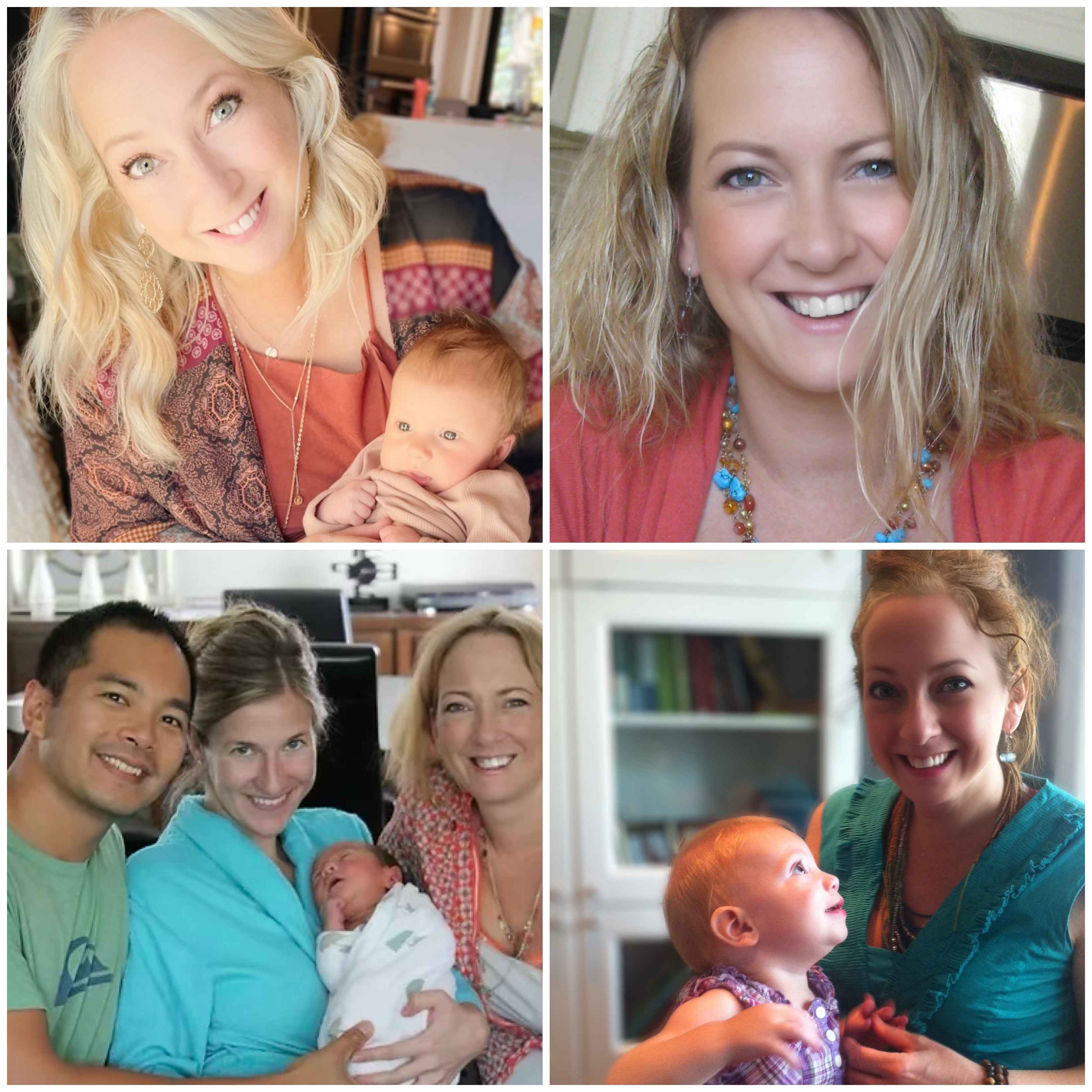
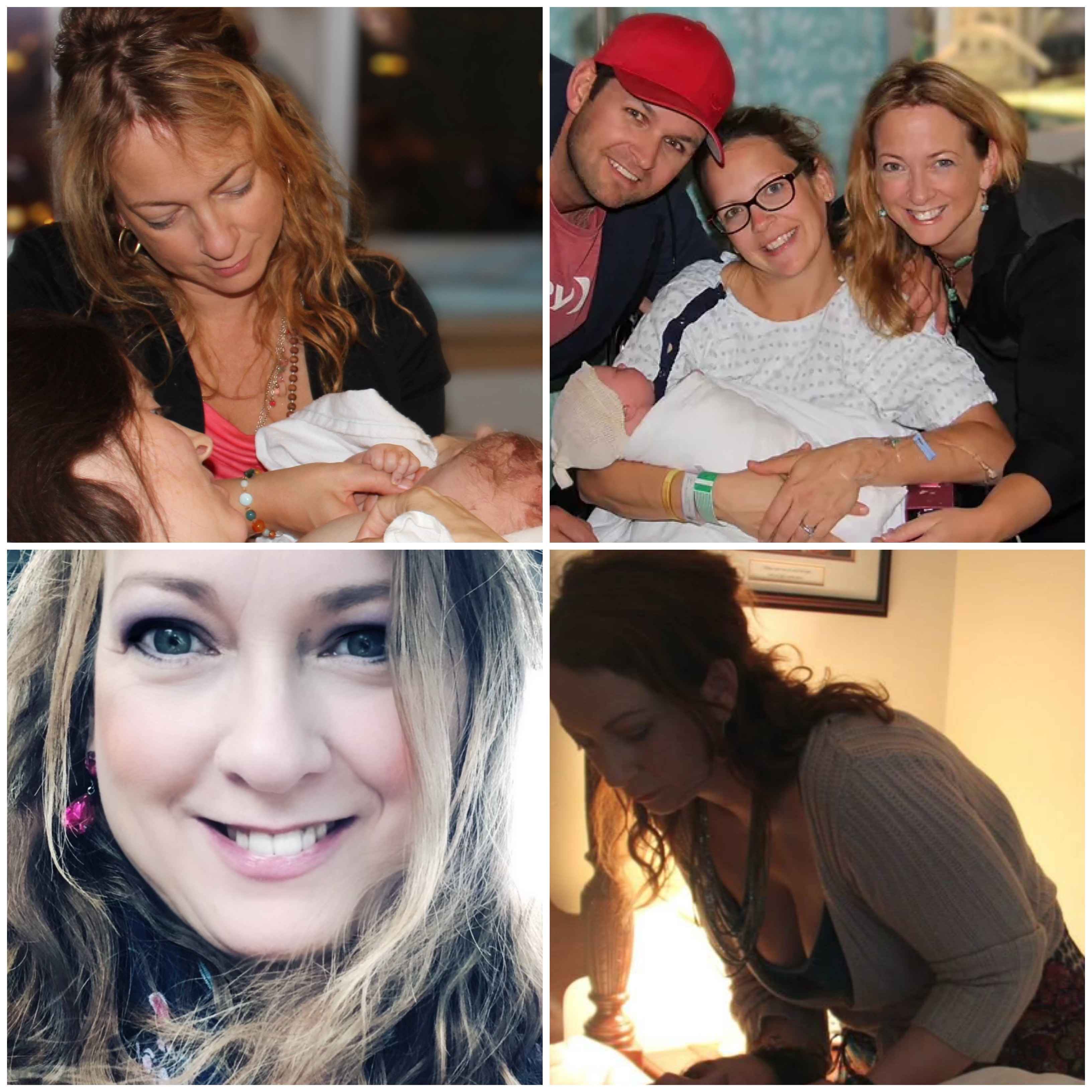
A note from Rava, founder of RavaWomb
With my unique courses I aim to guide you through the reams of information coming at you, from all around you: family, friends, doctor, midwife and what you're researching on sites and socials. Through this guidance you will be led to being able to concretely envision and decide upon what kind of Birth you want for you. Not what anyone else is dictating for you. What is right for you.
As a mentor and a doula, I seek to explore with you what might allow you to birth 'un-selfconsciously', to respect whatever options resonate with you and remain present for you as you walk the labyrinth of labor and childbirth.
What I bring to you for your journey is my vast knowledge and experience gained as a long time certified birth doula and certified childbirth educator. 2000+ couples and single parents have attended my childbirth preparation courses, and as a birth doula I have attended 555 births.
I have given birth myself 3 times, to my two sons and also a third and final time as a surrogate. I do believe that I hold the wisdom to enlighten families about all situations that they may encounter in their childbirth experience. We would love to have you in our community and to know you are well prepared.
Say hello
to birth prep
that truly gets
you ready for
the unknown









___MESSAGE___
___MESSAGE___